
Dropping the Religious Act: Finding Authentic Faith After Easter
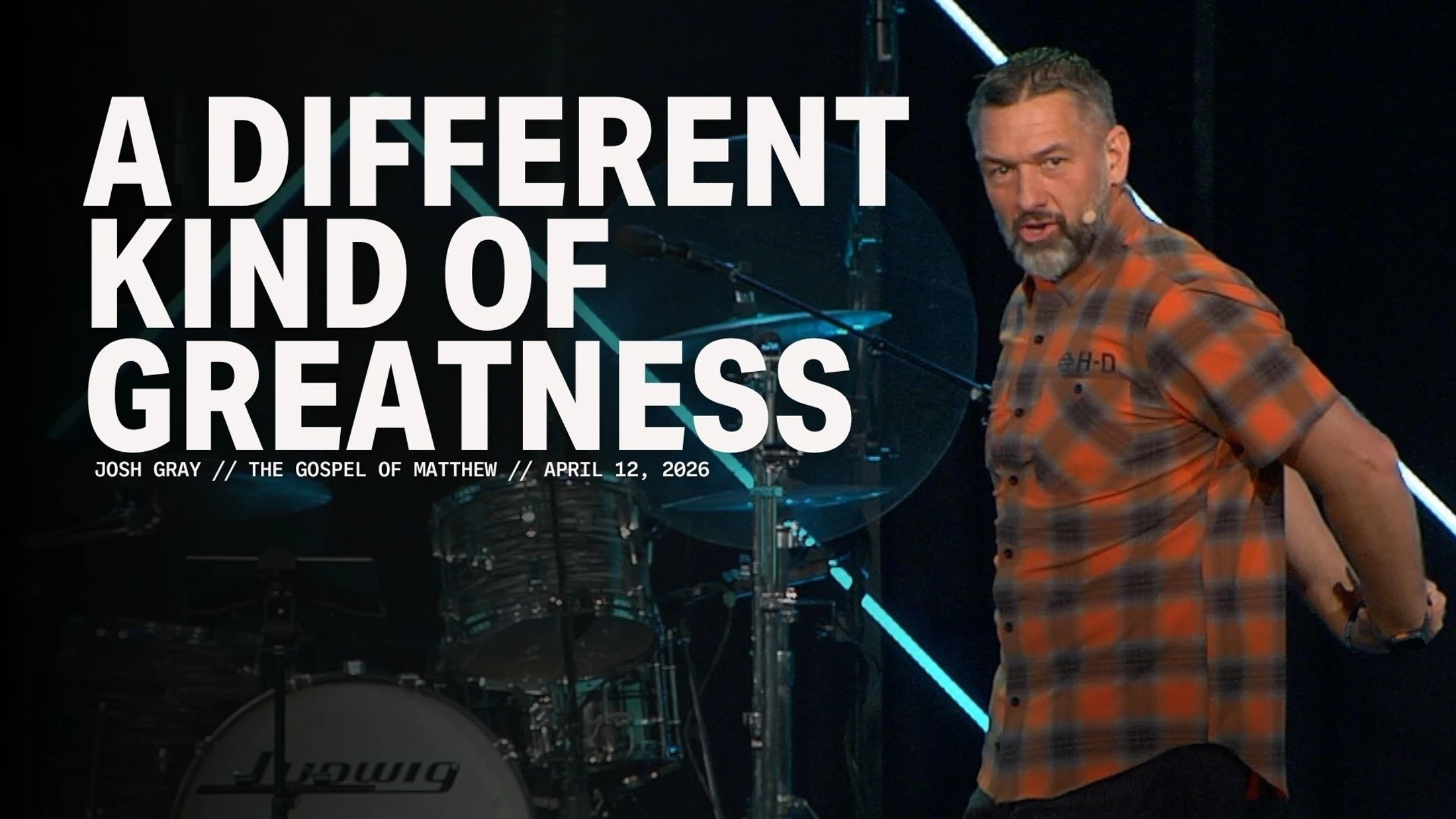
The weeks after Easter always carry a unique kind of tension. We just spent an entire Sunday celebrating the empty tomb. We sang louder than usual. We celebrated the ultimate victory over sin and death. Then Monday mornings hit. The alarm goes off, the kids need to get to school, the inbox is completely full, and the world looks exactly the same as it did on Saturday. It is incredibly tempting to slip right back into business as usual. But is it really possible to celebrate the resurrection and then go on living like nothing actually changed?
Jesus steps right into that exact tension in Matthew 23. He confronts a version of religion that looks incredibly polished on the outside but remains completely hollow on the inside. His words here are sobering. They are highly intentional. In fact, these specific teachings are the very things that ultimately lead the religious leaders to push for his crucifixion. He is exposing a system that relies entirely on performance.
The Trap of Hypocrisy
In the opening verses of Matthew 23, Jesus speaks directly to the crowds and his disciples about the religious leaders of his day. He points squarely at the Pharisees and the teachers of the law. He notes that they sit in Moses' seat. In that culture, sitting in Moses' seat meant holding the highest position of spiritual authority. They were the ones entrusted to interpret the scriptures for the community.
Jesus tells the crowd to respect the teachings but to completely avoid acting like the teachers. He calls them out because they fail to live out the things they demand from others. They knew the scriptures backward and forward. They had all the public influence. Yet their daily lives did not match their public words.
Having spiritual truth without spiritual integrity is a massive problem. Imagine taking lessons from a golf instructor who can explain the exact physics of a perfect swing but cannot actually hit the ball off the tee. You would never trust them to improve your game. Gathering the right theological information is relatively easy. We can read all the books and listen to all the podcasts. But without genuine integrity, that accumulated knowledge simply makes us dangerous to ourselves and everyone around us. Jesus is warning us that knowing the right answers does not equal living the right life.
Check Your Audience
Jesus goes on to note that the religious leaders did everything simply to be seen by other people. He points out their oversized phylacteries and extra-long tassels. In the first century, phylacteries were small leather boxes containing pieces of Scripture that people would literally tie to their foreheads and arms. It was meant to be a private reminder to keep God's Word close. Tassels were worn on the edges of garments to remind the wearer of God's commands.
The Pharisees took these private reminders and supersized them. They made the boxes bigger and the tassels longer purely to make sure everyone else noticed how devoted they were. Their faith became a theatrical production.
Today, our version of oversized tassels might look a little different. It might look like wearing the right Christian apparel. It might look like posting the perfect verse in a social media bio. The issue is never the shirt or the bio. The real issue is the internal motivation behind it. Are these things genuine reminders of faith, or are they just a carefully crafted show for the public?
When our goal is to impress people with our spirituality, the actual presence of God gets lost in the noise. We become exhausted trying to manage our reputation. When God is our only audience, true freedom begins. We can stop worrying about what the crowd thinks and start focusing on what our Creator knows.
Letting Go of Status
The performance trap always leads to a desperate need for validation. Jesus tells the crowd not to get caught up in formal titles like Rabbi or Father. He is not outlawing specific vocabulary words here. He is confronting an entire identity built on status.
The Pharisees desperately needed those titles to feel important. They needed the best seats at the banquets and the respectful greetings in the marketplace to validate their worth. Jesus flips that script entirely. He reminds the crowd that they already belong to a family and they already have a Father in heaven.
Think about a grandchild climbing into a grandparent's lap. That child does not pause to wonder if they have the right credentials to be there. They do not worry about their current status or what the other people in the room think. They just climb up because they know they are completely loved and they absolutely belong. That is exactly how God views us. When we realize our standing as children of God, the desperate scramble for titles and recognition fades away.
Choosing the Lower Seat
Because our identity is completely secure, Jesus is able to redefine greatness entirely. In the world, greatness is defined by climbing higher and getting recognized. In the Kingdom of God, greatness is entirely about serving.
Jesus did not just teach this concept. He proved it by grabbing a towel and washing his disciples' feet. He took on the lowest task in the room despite being the King of kings. He willingly took the lower seat.
If Jesus is alive, we are already fully known and completely loved by the only person who matters. The pressure to perform for status is completely gone. The resurrection is not just proof that Jesus is Lord. It is the practical blueprint for how to live out our days. Jesus humbled himself to the cross. God exalted him through the resurrection. The path forward is not found in promoting ourselves. The path forward is found in lowering ourselves to serve the people right in front of us.
Taking It Into Tuesday
Instead of keeping up a hollow religious act, our call is to walk alongside other believers and help them grow. We are called to serve quietly without needing any credit or applause.
This week, take a quiet moment to ask the Holy Spirit to point out the truth in your own life. Ask him to highlight any areas where performance has replaced authenticity. Use these specific questions to reflect on your current motivations:
Are there any gaps between what I say and how I actually live?
Am I making it easier or harder for people to follow Jesus based on my daily actions?
Would I still choose to obey God right now even if nobody was watching?
What is the real motivation behind the ways I am currently serving others?
The tomb is empty. We do not have to fake it. We do not have to perform. Let that incredible truth transform the way you live this week.
Drop the Act This Sunday
Reading about leaving the religious performance behind is one thing. Finding an environment where you can actually do that is another.
If you are tired of pretending, you are invited to check out a Sunday gathering. Real Life meets right in the middle of the Eastside Marketplace in Moscow every Sunday at 9:00 AM and 11:00 AM. There is no dress code and no expectation for you to have everything figured out.
Grab a cup of coffee before the service begins and check your children into a secure, fun environment at Lifer Kids. You are welcome to simply show up and be exactly who you are.