
Growing Together: The Power of Christian Community
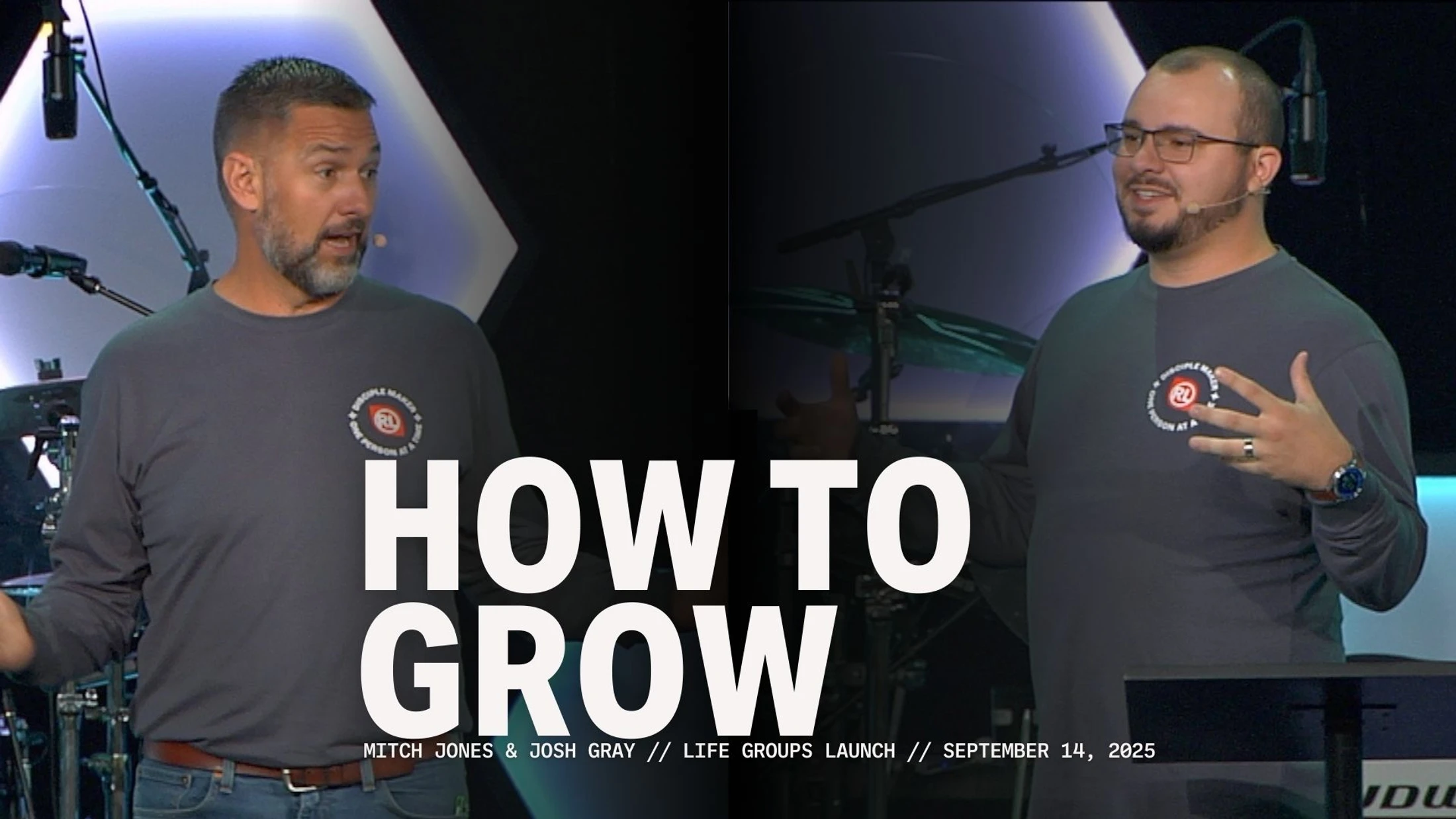
In a world that often feels divided and isolating, there's never been a more important time to talk about community and the hope we find when we come together. God designed us to grow in relationship with others, not in isolation. If you want to experience the love of God more fully and grow in your relationship with Him, you need community.
Why Are We Made for Community?
Think about an apple tree planted alone in a wide-open field. It might look pretty and provide some shade, but it has two major problems:
- It's vulnerable to storms, wind, and lightning
- It can't produce fruit effectively without other trees nearby for pollination
When apple trees grow together in an orchard, they pollinate each other, produce abundant fruit, and become more resistant to storms. This is exactly how God designed us to function spiritually.
Created in the Image of a Communal God
In Genesis 2, God creates Adam and walks with him in the garden. Yet God still says, "It is not good for man to be alone." Why? Because we're made in God's image, and God Himself exists in community.
God exists as three persons in one - Father, Son, and Holy Spirit - in such perfect community that they're indistinguishable from one another. If you try to separate one, you no longer have a complete picture of who God is.
This is how we're made too. We need relationship with God, but we also need relationship with others. Without community, we stunt our own growth because we're only a fraction of what we were meant to be.
Marriage: A Picture of Community
Marriage is one of the greatest pictures of what can happen in community. In marriage, we learn to:
- Love each other as God loves us
- Choose to sacrifice for each other
- Serve one another
- Challenge each other to grow
When we make these choices consistently, we grow to reflect God's character more fully. The beautiful thing is that Jesus expanded this family model to include all believers. Everyone who follows Him is part of the same family, called to love one another in the same way.
How Community Transforms Us
When we choose to forgive someone who has wronged us, even when they're not apologetic, we grow into who God made us to be. When we serve someone at great inconvenience or even displeasure, we take on God's character.
The early disciples understood this at a core level. In 1 John 4:7-8, we read: "Dear friends, let us love one another, for love comes from God. Everyone who loves has been born of God and knows God. Whoever does not love does not know God, because God is love."
Reflecting Jesus Through Community
None of us walked alongside Jesus during His earthly ministry. But today, when we choose to love one another as Jesus loved us - sacrificing, serving, encouraging, teaching, listening, and showing compassion - we reflect Jesus to the world.
This is why Jesus said, "By this everyone will know that you are my disciples, if you love one another" (John 13:35). It's part of our core identity as Christians.
When all the different parts of the body come together with their unique gifts and talents, we create a beautiful picture of Christ. We can do incredible things as a community, but we have to come together. An arm cannot run - it needs legs to get there. We need each other to be who God made us to be.
Four Steps to Grow in Community This Year
If you want to experience transformation through community this year, consider these four steps:
- Show Up Consistently
It's hard to build relationships when you only participate once every two months. Consistent presence allows people to know you. - Be Vulnerable
God invites us into freedom through vulnerability. When we take off our masks and share our struggles and hurts, we find freedom and growth. - Ask for Help
This can be intimidating, but everyone needs help sometimes. When we ask for help - whether it's seeking a mentor or requesting practical assistance - we open doors for community to flourish. - Take the Initiative
Don't wait for someone else to make the first move. Be the one to reach out, join a community, initiate deeper conversations, or organize help for someone in need. Take charge of your own discipleship.
Biblical Foundation for Community
Jesus himself modeled community by gathering his small group of disciples before beginning his public ministry. In Acts 2:42-47, we see the early church living out this model:
"They devoted themselves to the apostles' teaching and to fellowship, to the breaking of bread and to prayer... All the believers were together and had everything in common... Every day they continued to meet together in the temple courts. They broke bread in their homes and ate together with glad and sincere hearts, praising God and enjoying the favor of all the people. And the Lord added to their number daily those who were being saved."
This wasn't just a Sunday gathering - they met daily, shared meals, prayed together, and supported one another's needs. As a result, they experienced joy and growth.
Life Application
This week, consider how you can take a step toward deeper community:
- Evaluate your priorities: What are you truly devoted to? Is your schedule reflecting what matters most?
- Take initiative: Don't wait for someone else to reach out. Be the first to connect, to be vulnerable, or to offer help.
- Join a small group: If you're not already part of a community group, take that step. These groups provide a safe place to be vulnerable, to be heard, and to grow together.
- Practice loving others: Look for opportunities to serve, encourage, or support someone in your community this week.
Questions to Consider:
- In what ways have I been trying to grow spiritually on my own rather than in community?
- What's one step I can take this week to be more intentionally connected to others?
- Is there someone in my life I need to reach out to, forgive, or serve?
- How might God want to use me to strengthen the community around me?
Remember, when we come together in community, we not only grow personally, but we also create an environment where others can encounter Jesus through our love for one another.